Part Four. Public Health Mobilization
Selected Photos
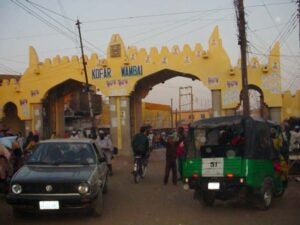
The centuries-old city of Kano (Birnin Kano) is surrounded by a fifteen-mile, decaying mud-brick wall. When used centuries earlier as a fortification, the forty-foot-high walls and moat were annually restored each December as a community project. Photo 1 below shows one of the original fifteen entrance gates, many like this one having been restored with modern construction materials.
Despite the heavy traffic into the city, the quieter residential streets provide space for a range of activities, especially for children. Photo 2 show one group of boys preparing to play football (soccer) and another group receiving primary Islamic instruction from their local teacher (mallam). Activities of young girls occur more often within the walled compounds (family living quarters) that border these streets.
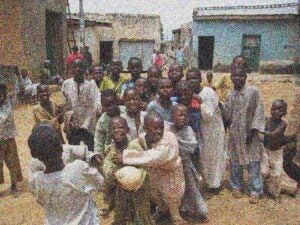
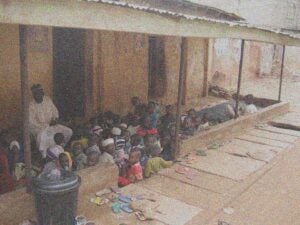
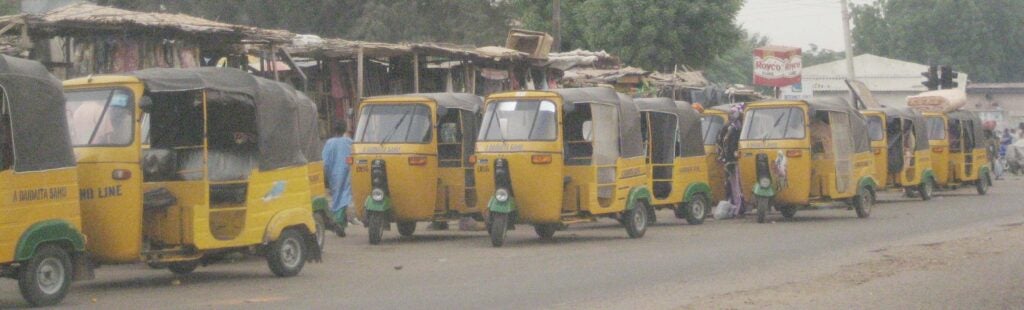
Photo 4 shows a line of parked go-carts and drivers, the public transportation used by women and their small children when they leave the seclusion of their family. For years they were expected to stay inside their compound until dusk. This custom was relaxed within the more modern suburbs outside the wall of the cities.
Photos 5 and 6 show a festive gathering of women within the city and within the outer wall of a family compound. These women are attending a wedding celebration, awaiting the delivery of the customary bride-price from the men gathered outside.
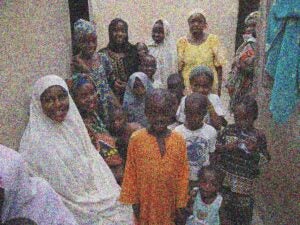
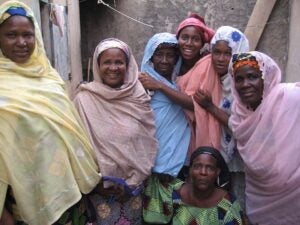
Photo 7 shows a cow that is being herded back into the city after a daytime of grazing outside the city walls. In the northern area of the city, one often sees boys herding cows, goats, or sheep to locations inside or outside the walls.

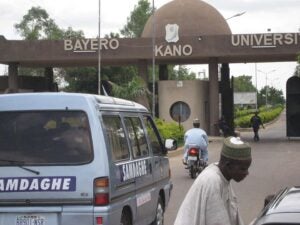
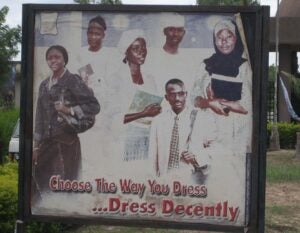
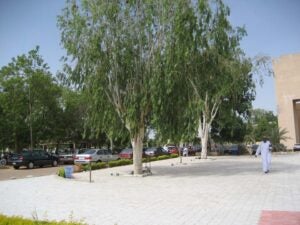
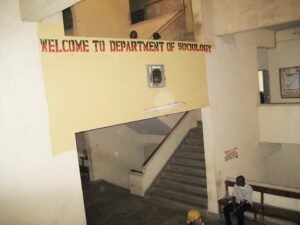
About two miles outside the walls is the modern Bayero University, with an enrollment of over 30,000 male and female students, all in shared solace unlike in the city. After passing through a busy entrance gate staffed by security officers (Photo 8), one enters a serene academic campus with spacious buildings (Photos 9-12).
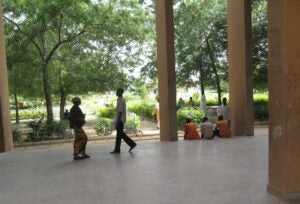
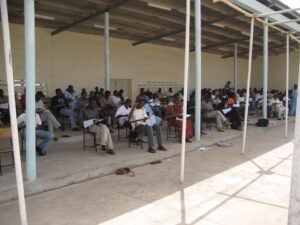
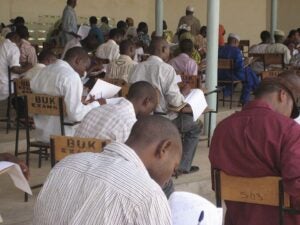
Here students are taking final examinations, seated in a large patio next to their department building (Photos 13-14).
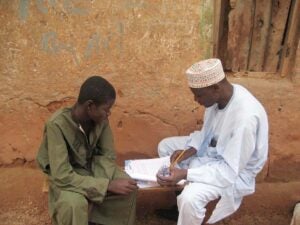
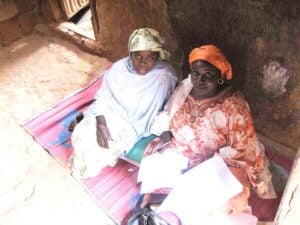
During this summer of 2007, the city political leaders were receptive to data collection by the Sociology Department, a survey of adolescents residing in a sample of wards within the city, replicating a survey done twice earlier. Photos 15 and 16 show interviews conducted by students of the department.
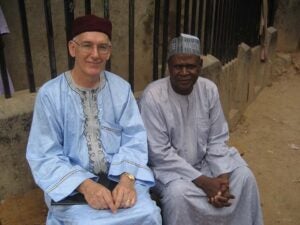
Finally, at the conclusion of the data collection, this group project was celebrated with an exchange of gifts, Photo 17 shows the editor wearing his new baba riga, the formal attire of Hausa men, next to the presenter, Dr. Salisu Abdullahi, a faculty colleague and former student.
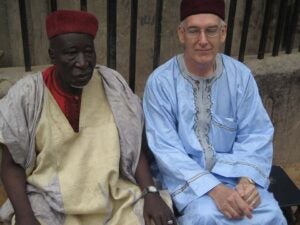
This final photo (18) shows one of the ward heads who helped identify and locate the youth in his ward in the current and previous survey.