Main Body
13 CH 13 – Ethics
INTRODUCTION
Doing the right thing …. even when it’s hard
Welcome to the most ‘expensive’ chapter in this course. While accounting teaches you how to count the money and marketing teaches you how to get the money, Ethics teaches you how to keep your reputation, your employees, and your freedom.
Let’s be honest. Most of you have already faced an ethical decision this week.
Do you share answers on a homework assignment?
Do you split work evenly in a group project?
Do you take credit for something you didn’t fully do?
Business ethics is the same thing… just with higher stakes, more money, and more people affected.
Section 1: Wait, What Even Is Ethics?
- Ethics vs. morals – they’re not the same thing
- Why the definition gets murky
- When your personal morals clash with your workplace’s ethical standards
Section 2: Ethics vs. the Law – Not Always the Same Thing
- Differences / similarities
- Laws update
Section 3: Real Dilemmas, Real Consequences
- What an ethical dilemma actually looks like at work
- The dangers of an “it depends on the situation” mindset
- The slippery slope of rationalizing small ethical violations
Section 4: Setting the Tone: It Starts at the Top
- How organizations shape employee decisions
- The “tone at the top” concept
- Why company culture and individual ethics are deeply linked
- Codes of conduct
Section 5: Business and Society: The Bigger Picture
- Consumerism and the four basic consumer rights
- Social audits
- Who holds businesses accountable?
- Key takeaways in plain language
13.1: Wait, What Even Is Ethics?
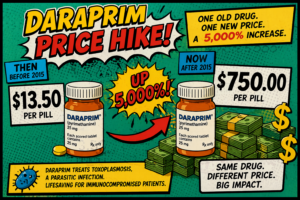
In 2015, a pharmaceutical executive named Martin Shkreli made headlines when his company raised the price of a life-saving drug called Daraprim overnight from $13.50 per pill to $750. That’s a 5,000% increase. The drug had been around for over 60 years. Nothing changed about it. It didn’t get better. It wasn’t reformulated. The only thing that changed was who owned the patent.
Was it legal?
Yes.
Was it ethical?
Most people would say absolutely not.
That gap between what you can do and what you should do is exactly what this section is about. Business ethics isn’t just a feel-good subject or a box to check before you graduate. It shows up every day in real decisions, at every level of every organization. From a manager deciding whether to hire a friend, to a CEO choosing between profit and people’s lives,ethics is everywhere.
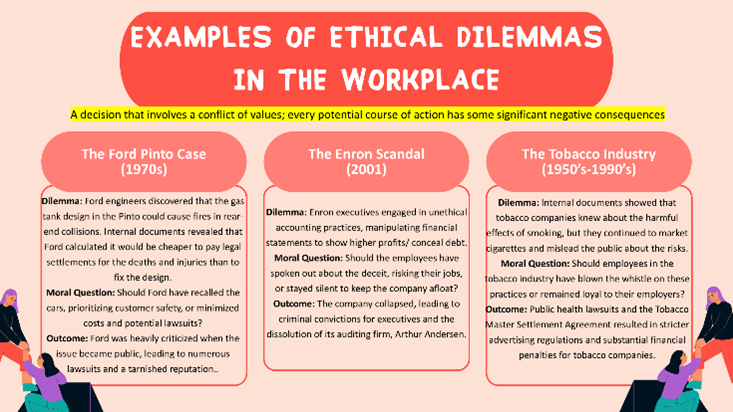
And here’s the thing: most people don’t set out to be unethical. They make small compromises, tell themselves “everyone does it,” or follow the rules while ignoring the spirit behind them. That’s how scandals are born: one rationalization at a time.
So, how do you navigate the messy gray areas you’ll face in your own career?
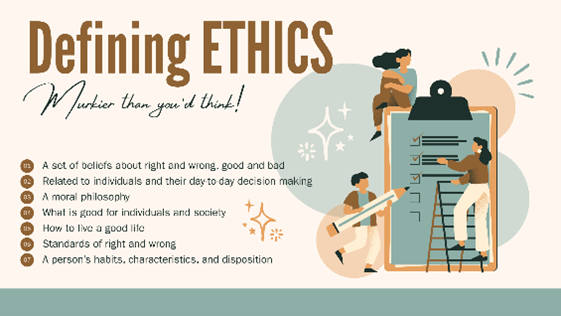
Wait, Still Confused… What Even Is Ethics?
Let’s start with the basics; except they’re not as basic as they seem. Most people use the words “ethics” and “morals” like they mean the same thing. They’re close, but there’s an important difference, and understanding that difference will save you a lot of confusion down the road.
Morals vs. Ethics
- Morals are personal. They’re the beliefs you hold about right and wrong shaped by how you were raised, your religion, your culture, your experiences. Think of morals as your internal compass. For example, you might personally believe that lying is always wrong, no matter what.
- Ethics are more like the rulebook for a group. They’re the shared standards that a profession, organization, or society agrees to follow. Ethics are often written down in codes of conduct, professional guidelines, or laws.
For instance, a journalist might personally feel uncomfortable withholding information from the public. But journalistic ethics might say it’s acceptable, even required, to protect a source’s identity or keep certain details private for safety reasons.
Here’s a simple way to remember it:
- Morals: “Lying is always wrong.” (Personal belief)
- Ethics: “In some situations, a journalist may ethically withhold certain information to protect someone.” (Professional standard)
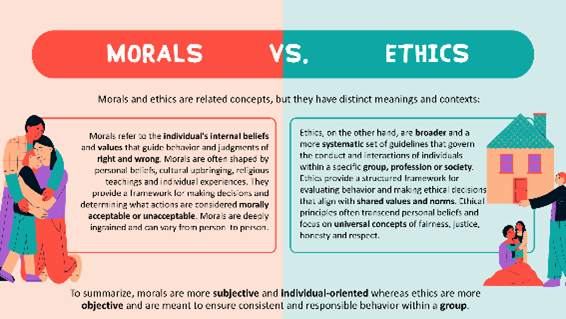
In the real world of business, you’ll often find yourself in situations where your personal morals and your workplace’s ethical standards don’t perfectly line up. That tension is totally normal, and learning to navigate it is a core professional skill.
Why Ethics Is Harder to Define Than You’d Think
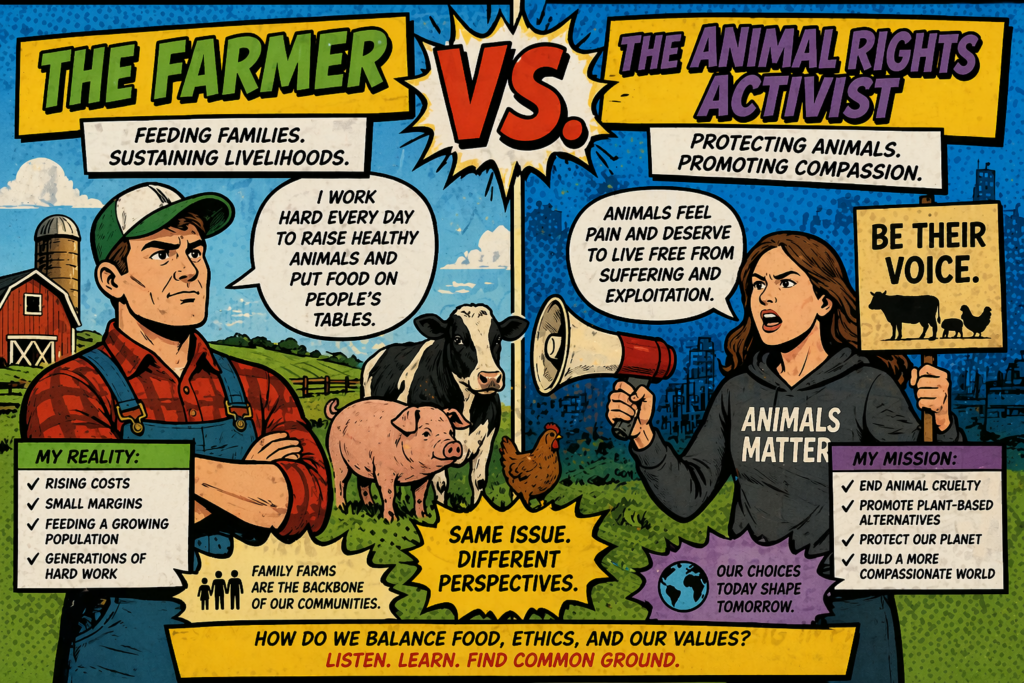
Here’s a scenario: A farmer raises chickens. Most male chicks in the egg industry can’t lay eggs and aren’t the breed raised for meat, so they’re typically disposed of shortly after hatching. To the farmer, this is just standard practice a routine part of running the operation. To an animal rights activist, it’s deeply wrong.
Same action. Completely different ethical conclusions.
Who’s right?
This is exactly why ethics can be so tricky. It’s not always a clean answer. It’s important to also note that not every decision you make at work has an ethical dimension. Choosing which font to use in a presentation? That’s just a preference. Choosing whether to falsify a report to make your numbers look better? That’s an ethical decision with real consequences. The key is learning to recognize the difference.
13.2: Ethics vs. the Law – Not Always the Same Thing
You might assume that if something is legal, it must be ethical. If it were that simple, this would be a very short chapter.
A country’s legal system is actually a pretty good starting point for understanding ethical standards. Laws reflect society’s shared values, set a baseline for acceptable behavior, and come with real consequences when broken. But they’re just a floor, not a ceiling.
Ethical behavior often goes way beyond what the law requires. And in some cases, the law actually lags behind ethics, especially in fast-moving fields like artificial intelligence, bioethics, and data privacy. By the time lawmakers figure out how to regulate something, companies and individuals have already been making ethical decisions (or not) for years.
Real-World Examples of “Legal but Questionable”
- Sweatshop Labor: In some countries, it is completely legal for businesses to employ workers in poor conditions, paying rock-bottom wages with minimal protections. From a legal standpoint, the company is doing nothing wrong.
- Legal? Yes, in many places.
- Ethical? Most would say no. It exploits vulnerable workers and violates basic principles of human dignity and fairness.
- Pharmaceutical Price Gouging: Pharmaceutical companies can legally charge extremely high prices for medications especially if they hold exclusive patents. The market allows it, but that doesn’t mean people have to feel good about it.
- Legal? Yes.
- Ethical? Most people would argue that putting life-saving medicine out of reach for profit is a serious ethical problem.
- Environmental Exploitation: A company might legally clear-cut a forest, drain a wetland, or dump pollutants within the limits allowed by environmental regulations.
- Legal? Yes.
- Ethical? When long-term harm to ecosystems and future generations is considered, many see this as deeply problematic.
The bottom line: “It’s legal” is never the end of an ethical conversation. It might be the beginning.
🔥 What’s happening right now (2025–2026 trends)
AI + Ethics = the biggest new frontier
👉 “Is it ethical if an algorithm discriminates… even if no human intended it?”
- Governments are pushing companies to disclose AI risks honestly
- The U.S. Securities and Exchange Commission has warned companies about misleading AI claims in reports
- New laws (especially in the EU) require companies to explain how AI decisions are made
Workplace ethics + misconduct are under a microscope
👉 Ethics isn’t just “company vs customers” – it’s internal too.
- Ongoing scandals around discrimination, harassment, and misuse of power
- Example:
Corporate decision-making = reputational risk
👉 Even if something is legal, public opinion can still punish you.
13.3: Real Dilemmas, Real Consequences
Ethical dilemmas aren’t just things that happen to big corporations or famous executives. They pop up in everyday workplace situations.
Example: The Hiring Manager’s Dilemma
Imagine you’re a hiring manager, and your cousin just applied for an open position. Your cousin is qualified and needs the job, but your company has a clear policy against nepotism.
- Your morals say: “I want to be fair and help family”.
- The company’s ethics say: “You are not allowed to hire family members, period”.
This is a classic ethical dilemma not because either side is evil, but because two reasonable values are in conflict. Following the ethical standard, even when it’s uncomfortable, is what moral courage looks like.
The Slippery Slope of “It Depends”
One of the most dangerous habits is having different standards for different situations. “It depends” can quickly become a way to justify doing the wrong thing when it’s convenient. These small exceptions are where ethical failures begin.
13.4: Setting the Tone
The “Tone at the Top”
When leaders are honest and transparent, it sets a standard for everyone else. But it’s not just about what they say; it’s about what they do. If a CEO preaches honesty but cuts corners on safety, the message is that the corners are the real policy.
Codes of Conduct: Helpful But Only If They’re Enforced
A code of conduct doesn’t change behavior on its own. They work best with:
- Monitoring: Someone is paying attention to whether standards are met.
- Enforcement: There are real consequences for violations.
- Commitment to solutions: Leadership is invested in approaches that work for everyone.
13.5: Business and Society: The Bigger Picture
Business ethics ripples outward to customers, communities, and the environment.
Consumerism and Your Rights
Consumerism recognizes four fundamental rights:
- The right to be safe.
- The right to be informed.
- The right to choose.
- The right to be heard.
Social Audits
Companies increasingly use social audits as a systematic internal evaluation of how well they are living up to social responsibility goals. They track progress against a double bottom line, measuring success by both profit and social/ethical impact.
Who Holds Businesses Accountable?
- Activist customers.
- Investors (ESG investing).
- Unions and employee groups.
- Environmental organizations.
- Government regulation.
Chapter Wrap-Up
The Takeaways
- Morals are personal; ethics are shared standards.
- Legal doesn’t always equal ethical. The law is a floor, not a ceiling.
- Ethical dilemmas are everywhere.
- Culture shapes behavior. The tone at the top matters most.
- Businesses are increasingly held accountable by outside forces.
The goal isn’t to have all the answers right now …. it’s to start building the habit of asking the right questions.
Key Terms to Know
- Ethics, Morals, Ethical Dilemma, Consumerism, Social Audit, Code of Conduct
Discussion Questions
- Can you think of something legal that feels unethical to you? What makes it feel that way?
- Have you ever faced a situation where your personal values clashed with rules you were supposed to follow?
- Where do you draw the line between a friendly gesture and a bribe?